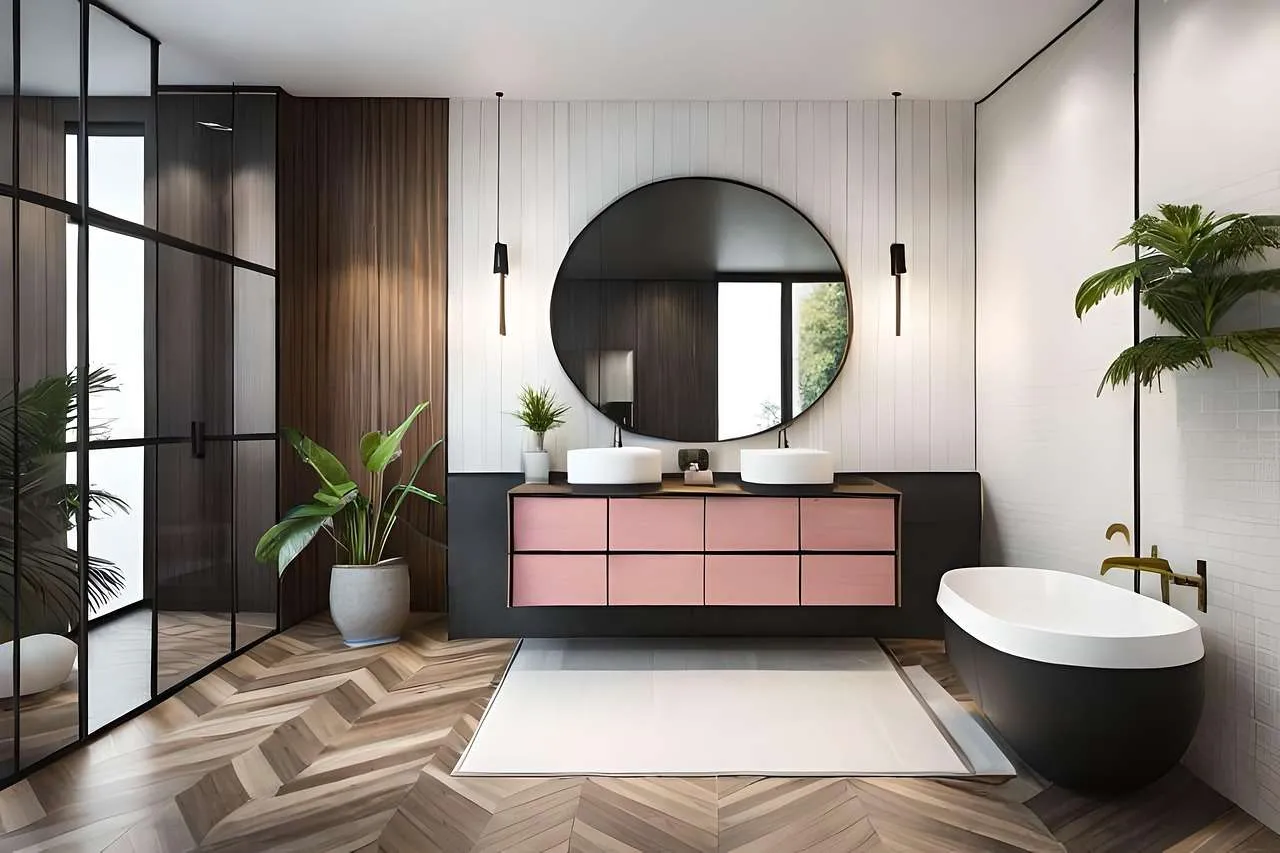
Designing a small bathroom requires thoughtful choices that optimize space while preserving style and functionality. This guide covers proven small bathroom ideas to help you achieve a brighter, more organized, and visually larger space. The tips draw on space planning, material selection, and fixture options that work well in tight footprints. Always consult licensed professionals for plumbing and electrical work to ensure safety and code compliance.
Maximize layout with smart configurations
In a tight bathroom, layout decisions have the biggest impact on both flow and perception of size. Start with a plan that minimizes detours and awkward corners.
Floating vanities and wall mounted fixtures
Floating vanities create visual air space below, making the floor appear larger. Pair a wall mounted vanity with a recessed sink and a frameless mirror to extend sight lines. Wall mounted toilets or compact options also reduce clutter and improve accessibility for cleaning.
Corner sinks and slim profiles
Corner sinks or compact, pedestal-like variants free up central floor space. Choose a slim profile vanity at 18-24 inches wide for most small bathrooms.
Storage solutions that expand without crowding
Smart storage reduces clutter and preserves the sense of an open room. The goal is to stash daily essentials out of sight while keeping them accessible.
Vertical and recessed storage
Use tall, narrow cabinets, open shelving high on the wall, and recessed niches in the shower to store toiletries without stealing floor area.
Medicine cabinets and over-toilet storage
A mirrored medicine cabinet or wall cabinet above the toilet adds storage without widening the room. Over-toilet shelves or a slim cabinet can hold towels and supplies.
Fixtures and finishes that open up the space
Finish choices greatly affect light reflectance and perceived space. Favor materials and colors that bounce light and minimize visual weight.
Light colors, glass, and reflective surfaces
White or pale neutrals, glass shower doors, and glossy tiles reflect light and visually expand the room. Consider a light, cool palette with a consistent grout line to avoid busy patterns.
Undermount sinks and compact showers
Undermount sinks create clean lines; a 32-inch by 60-inch shower stall or a curbless shower can feel roomier than a traditional tub. A sliding or doorless shower can also save space if plumbing permits.
Lighting and color for perceived space
Layered lighting reduces shadows and makes the space feel larger. Combine ambient, task, and accent lighting, and ensure color temperature remains consistent to avoid a disjointed look.
Lighting plan and color strategy
A recessed ceiling light paired with a backlit mirror or sconces on the sides yields soft, even illumination. Keep colors cohesive with light neutrals and small pops of color through accessories.
Practical planning and budgeting
Budgeting realistically helps you prioritize high-impact upgrades that improve daily experience and resale value. Start with a needs list, then source materials and fixtures with durability in mind.
Comparison and quick summary
| Option | Pros | Cons | Best For |
|---|---|---|---|
| Floating vanity | Creates air space; easy cleaning | Requires robust plumbing support | Small to mid-size baths |
| Corner sink | Maximizes floor area | Limited storage under sink | Very tight layouts |
| Pocket door or barn door | Keeps door path clear | Higher installation complexity | Narrow door openings |
| Glass shower enclosure | Expands perceived space; easy maintenance | Requires sealing and cleaning | Shower-dominant baths |
| Recessed niches and shelves | Hidden storage; reduces clutter | Carves into wall studs; costly |
When to hire help: If plumbing moves are needed or if structural changes are required, work with a licensed contractor and a design professional to ensure code compliance and a durable finish.
Conclusion, applying these small bathroom ideas involves balancing layout, storage, and finishes to improve both usability and perceived space. Prioritize vertical storage, compact fixtures, and reflective surfaces, and you’ll achieve a brighter, more organized bathroom without expanding the footprint.